

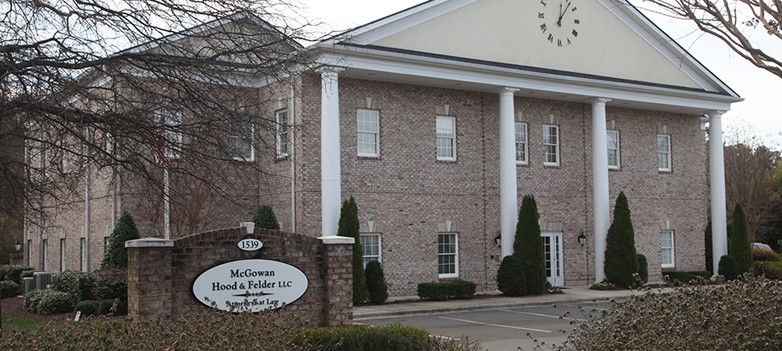
South Carolina Injury Attorneys

Representing clients throughout the state in a wide array of claims
Every day, people throughout the country sustain some kind of harm. Perhaps they sustain a physical injury because of a negligent driver or doctor; perhaps they develop a chronic illness because of environmental factors or dangerous drugs. No matter what kind of injury you sustain, McGowan, Hood, Felder & Phillips, LLC is prepared to fight for your future. Our South Carolina injury attorneys handle a wide variety of claims in state and federal courts. Please contact us to learn more about our services.
Free Case Evaluation
SC injury lawyers representing individuals and classes in product liability claims
The heart of the civil justice system is preserved in the Seventh Amendment, which guarantees that a person who has been subject to harm or injury is entitled to a trial before a jury of his or her peers. Whether that injury was caused by the negligent acts of a single person, by the fraudulent practice of a company, or by the government is irrelevant; you are entitled to make a claim for damages and to have your day in court.
McGowan, Hood, Felder & Phillips, LLC represents individual clients and class members in:
- Class Action Claims. When a large group of people have been harmed, it may be prudent to file a class action lawsuit instead of an individual claim. Class actions require significant resources, time, and experience. Our firm has the ability to pursue claims on behalf of a class and has successfully represented class members in anti-trust actions, securities fraud actions, and consumer protection actions on behalf of victims of defective medical devices and other defective products.
- Dangerous Drugs. Today’s pharmaceuticals are sophisticated combinations of natural and synthetic substances that fight physical and psychological disorders by altering your body’s chemistry. All drugs have risks, but some can be more dangerous than the conditions they are supposed to treat and may cause serious injury, fetal deformity, or death. Our mass tort attorneys have recovered millions on behalf of clients through multi-district litigation and class action lawsuits.
- Defective Medical Devices. Every year, thousands of people sustain life-altering injuries caused by defective medical devices. They suffer internal organ damage, infertility, metal poisoning, and systems failures, and they are often forced to live in chronic pain. These injuries have a negative ripple effect on their families, often leading to financial instability and other harms. Our mass tort attorneys have extensive experience litigating defective medical device cases.
- Defective Consumer Products. As a consumer, you have the right to expect that the products you buy will work in the way they are intended. If you have sustained an injury because of a defective product, you may be eligible to enter a class or benefit through the sharing of resources by attorneys involved in a mass tort. The firm represents clients injured by a wide variety of defective consumer products, including Johnson & Johnson talc products, 3M Combat Arms ear plugs, and Monsanto’s Roundup.
- Public Client. Good governance is about protecting citizens from a wide variety of wrongs and ensuring that their rights are not violated. From Medicaid fraud to unfair and deceptive trade practices to today’s opioid crisis, government entities need experienced legal counsel when they or their citizens are harmed by wrongdoers. McGowan, Hood, Felder & Phillips, LLC represents states through their attorneys general and other political subdivisions in a wide range of complex litigation matters.
Common injury, negligence and malpractice claims
For more than 20 years, McGowan, Hood, Felder & Phillips, LLC has represented South Carolina injury victims and their families in state and federal courts. We handle a wide variety of injury claims, including:
- Medical Malpractice. When you place yourself in the hands of a doctor, surgeon, or other healthcare professional, you do not expect them to perform miracles, but you do expect them to hold to accepted standards of care for their professions. Malpractice is committed if that standard of care is breached and you are injured as a direct result. The firm represents clients in cases of medical negligence, with a special emphasis on birth injuries, obstetrical malpractice, and Veterans Affairs errors.
- Catastrophic Personal Injury. Our personal injury lawyers have focused for years on protecting the rights of those who could not protect themselves when negligence or defective products and services caused them severe or catastrophic injury, or when it has led to the tragic and wrongful death of a loved one.
- Nursing Home Abuse and Neglect. Nursing homes are places where the elderly are supposed to receive long-term care and medication in a healthful environment. Unfortunately, some nursing home staff neglect, or even mistreat, the helpless, disabled patients in their care. When you discover that an aged relative has been living in filth, been fed substandard food, or has been assaulted by a staff member, a South Carolina nursing home abuse lawyer is the person to whom you should turn.
- Child Abuse & Neglect at Residential Treatment Facilities. RTFs are supposed to care for some of our most vulnerable. If your child has been abused, neglected, or sexually assaulted while residing in a treatment facility, we can help.
- Truck Accidents. South Carolina is crisscrossed by major interstate, state, and local highways, most of which have a high volume of truck traffic. When a large truck collides with a smaller vehicle, the result is almost always serious injury or death to the smaller vehicle’s driver. We have handled innumerable truck accident cases and obtained fair compensation for victims and their families.
- Car Accidents. A 2016 report of the National Highway Traffic Safety Administration shows that South Carolina is a dangerous state in which to drive, with a total of 1,020 motor vehicle fatalities in that year. If you are the victim of an automobile accident, our lawyers will stand up for your interests against the at fault driver and the insurance company.
- Motorcycle Accidents. A motorcycle rider is one of the most vulnerable people on the road. A bike is small, unprotected, and difficult to see, yet there are enough of them on the road that careful, prudent drivers of other vehicles stay aware of them. A motorcycle accident nearly always results in serious injury, and often in death, to the rider.
- Construction Accidents. The construction industry is one of the most dangerous in which to work. Construction sites are filled with hazards that can cause catastrophic injuries or death: machinery, excavations, scaffolding, debris, and toxic chemicals, to name a few. Not every injury that occurs on a construction site is covered by Workers’ Compensation.
- Premises Liability. When you sustain injuries on another person’s property, you may be able to make a claim for damages to recoup your losses. Animal attacks, dangerous walkways, and negligent security measures that lead to injuries or acts of violence are all compensable under the law.
- Sex Trafficking. Many victims of sex trafficking don’t realize that the atrocities they have been forced to endure are not only crimes committed by their perpetrators, but also a personal injury. Filing criminal charges is not required to pursue a personal injury claim against those who caused you to endure harm both physically and mentally. Sometimes, filing a civil suit may be the only justice sex trafficking victims can hope to receive. Our attorneys will explain your right to compensation and to hold your assailant accountable.
McGowan, Hood, Felder & Phillips, LLC has spent the last 20 years fighting on behalf of its clients. Along with our injury work, we also offer litigation services for South Carolina business owners facing breach of contract, trade secrets violation, and business interruptions.
Put your trust in the South Carolina law firm that puts people first
Contact McGowan, Hood, Felder & Phillips, LLC, a law firm dedicated, driven, and committed to delivering results. Call 803-327-7800 today, and schedule a free case evaluation by an experienced South Carolina injury attorney, or fill out our contact form from any device. The firm proudly serves people throughout South Carolina, with offices in Columbia, Rock Hill, Myrtle Beach, Charleston, and Greenville.